
The opportunity
The opportunity was bigger than filling a calendar with events.
The Anderson Center had artists, physical space, community history and the foundation of a residency program. What was needed was a clearer connection between those pieces: a program model that could support artists over time, create stronger reasons for audiences to return and position each exhibition or event as part of a larger cultural conversation.
I approached the role by asking a simple question:
How can every program lead somewhere?
An artist residency could lead to an exhibition. An exhibition could become a public conversation. A public program could introduce a new institutional partner. A community gathering could create a deeper relationship with the work.
What I led
I shaped a connected artistic season spanning exhibitions, artist development, public history, film, community engagement and external partnerships.
My work included curating exhibitions, managing artist relationships, developing public programs, structuring residency experiences, identifying collaborators and translating artistic ideas into experiences audiences could enter.
I also worked across departments to connect artistic vision with operations, marketing, budgets, production and institutional goals.
The work required both curatorial sensitivity and practical leadership. I was selecting artists and shaping narratives, but I was also building timelines, reviewing agreements, coordinating installations and making sure the experience made sense from the moment someone encountered the invitation to the moment they entered the room.
Selected programs
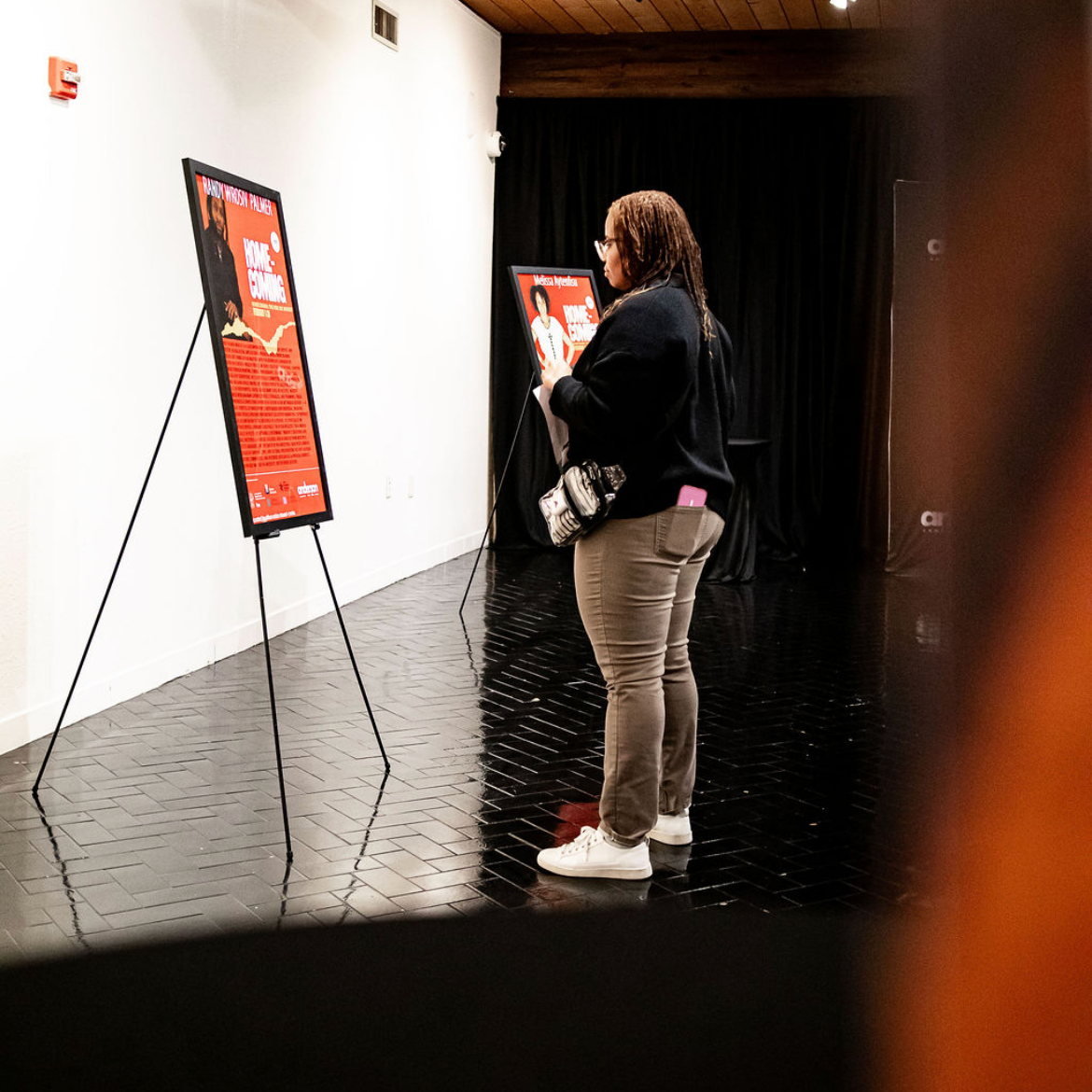
HOMEcoming: The Fire We Inherit
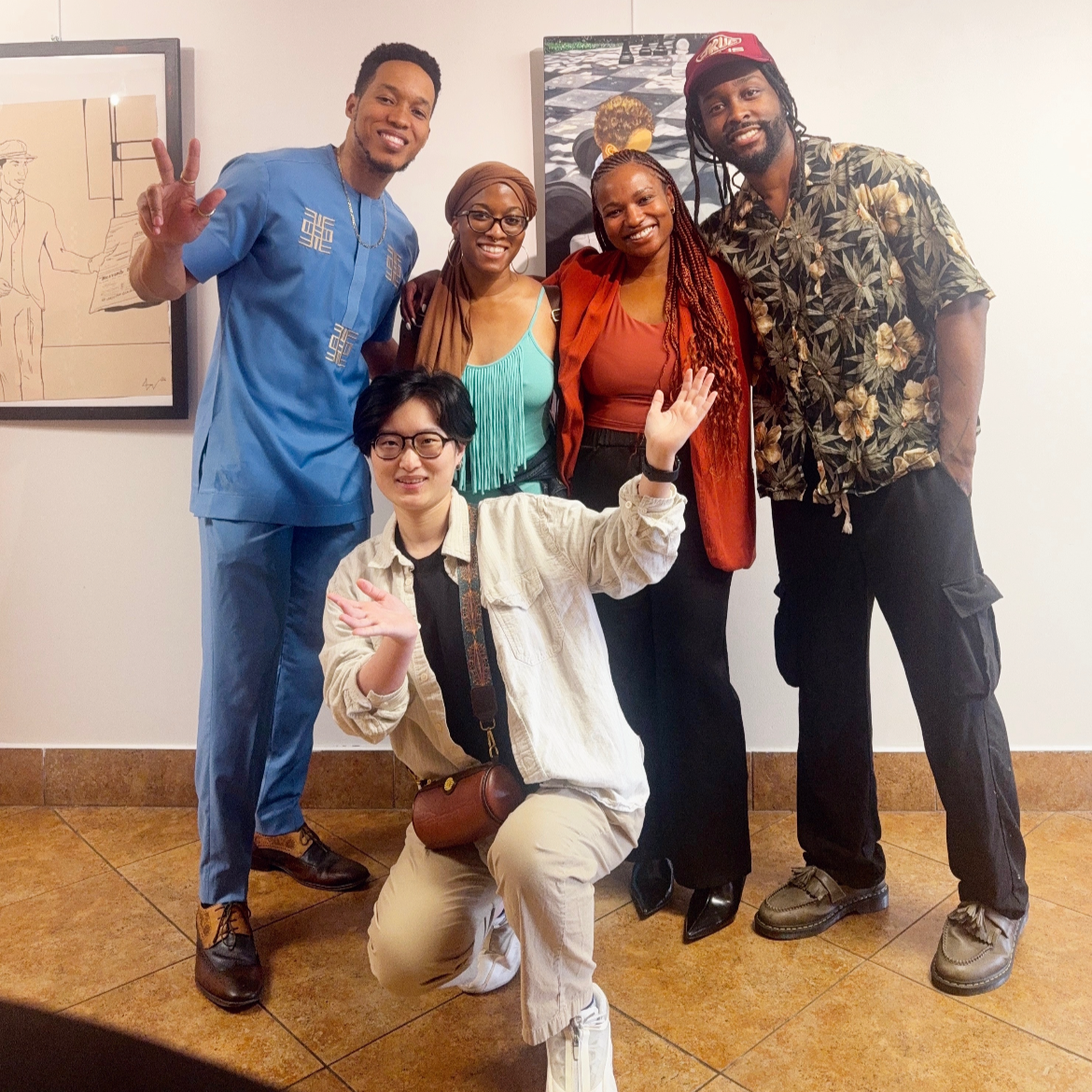
A group exhibition featuring Wyn X’ion, Will North, Randy “Wrosiv” Palmer and Melissa Aytenfisu.
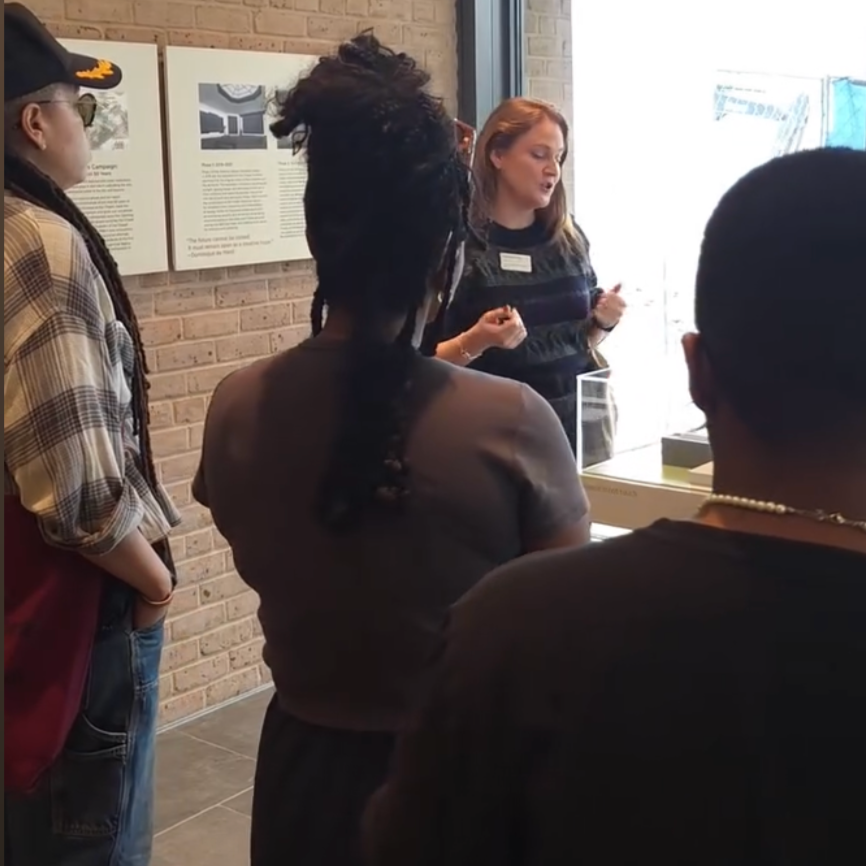
The exhibition explored memory, lineage and the emotional architecture of home through portraiture, abstraction, fashion and object-based work. I developed the curatorial framework, selected and worked with the artists, shaped the spatial experience and led public tours that invited audiences deeper into the work.
Roots & Routes
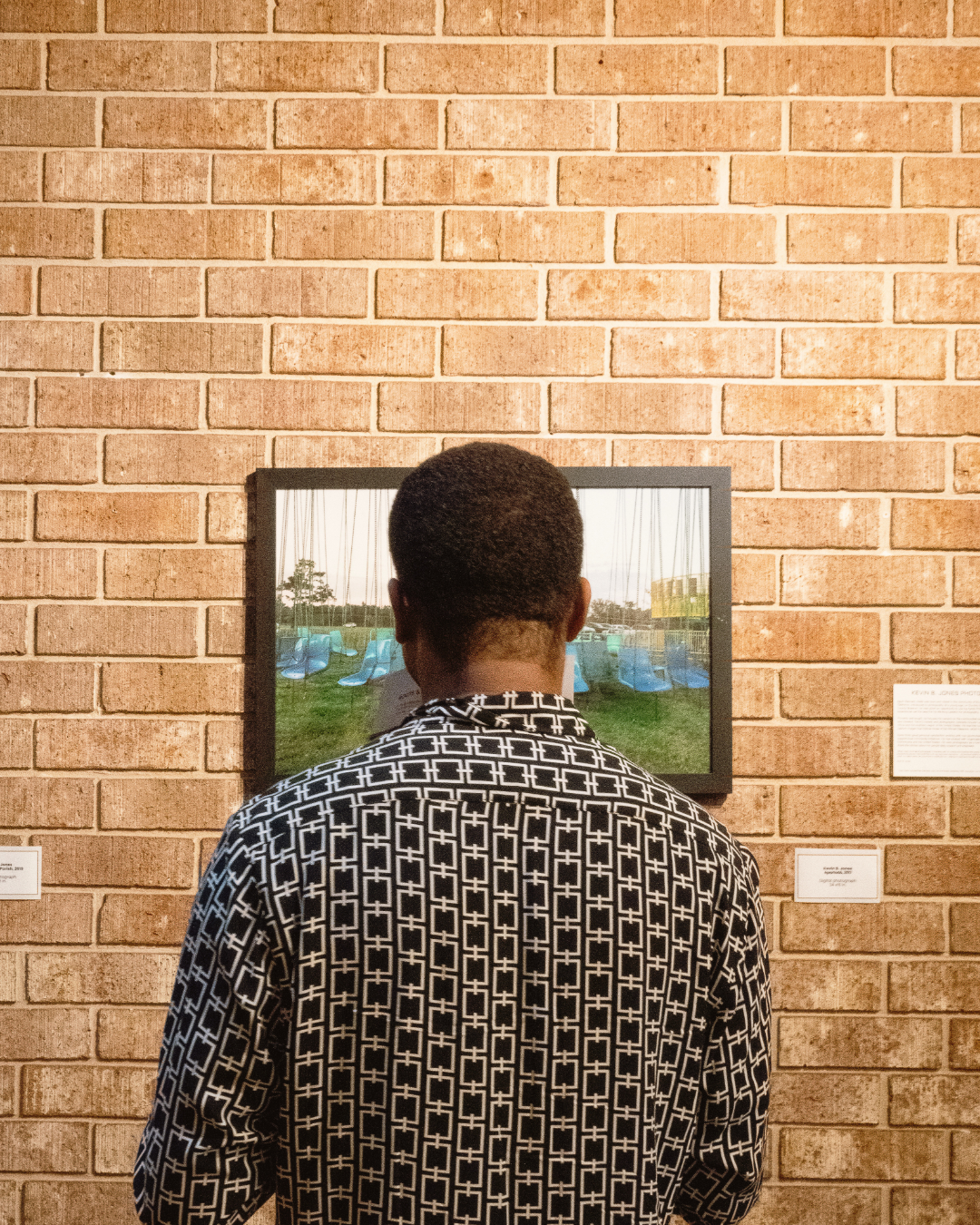
A visual exploration of Black Southern legacy featuring Ayo Scott, Jordan Lumpkins, Felicita “Felli” Maynard and Kevin B. Jones.
The exhibition considered how memory, migration, ritual, architecture and generational storytelling shape Black Southern identity. Its public experience extended into conversation and an intimate supper-club format designed around art, food and gathering.
Artist development and public partnerships
I supported artists through residencies, open studios, professional development and new visibility opportunities, including connections with Houston Airports and public cultural programming across the city.
The result
The result was not one isolated exhibition. It was a more connected artistic ecosystem.
Artists could move between studio development, public presentation, professional opportunities and institutional partnerships. Audiences could encounter the work through exhibitions, films, conversations, airports, theaters and shared tables.
The programs remained distinct, but they were held together by a consistent set of values: cultural memory, access, artist development and the belief that a community arts institution can be both rigorous and welcoming.
What this work taught me
Cultural strategy is not only about deciding what goes on the wall.
It is about understanding how artists are supported before the opening, how audiences are invited into the work and what relationships remain after the room has emptied.