
Access has to be designed.
It is not enough to invite people into an industry without sharing the information, relationships and language that help them remain there. That’s why I built Free Juice.
Free Juice University
Turning Access Into a Pathway
A mentorship-to-exhibition program for emerging BIPOC photographers and image-makers.
Role: Founder + Program Director
I built Free Juice because talent was never the only issue.
Throughout my own career, I saw how much access shaped opportunity: access to honest information, experienced mentors, professional language, strong networks and people willing to explain the parts of the industry that are rarely taught.
Too many emerging photographers were being told to work harder without being shown how the business actually worked.
Free Juice University was created to make that knowledge more transparent, culturally relevant and easier to access.
What we built
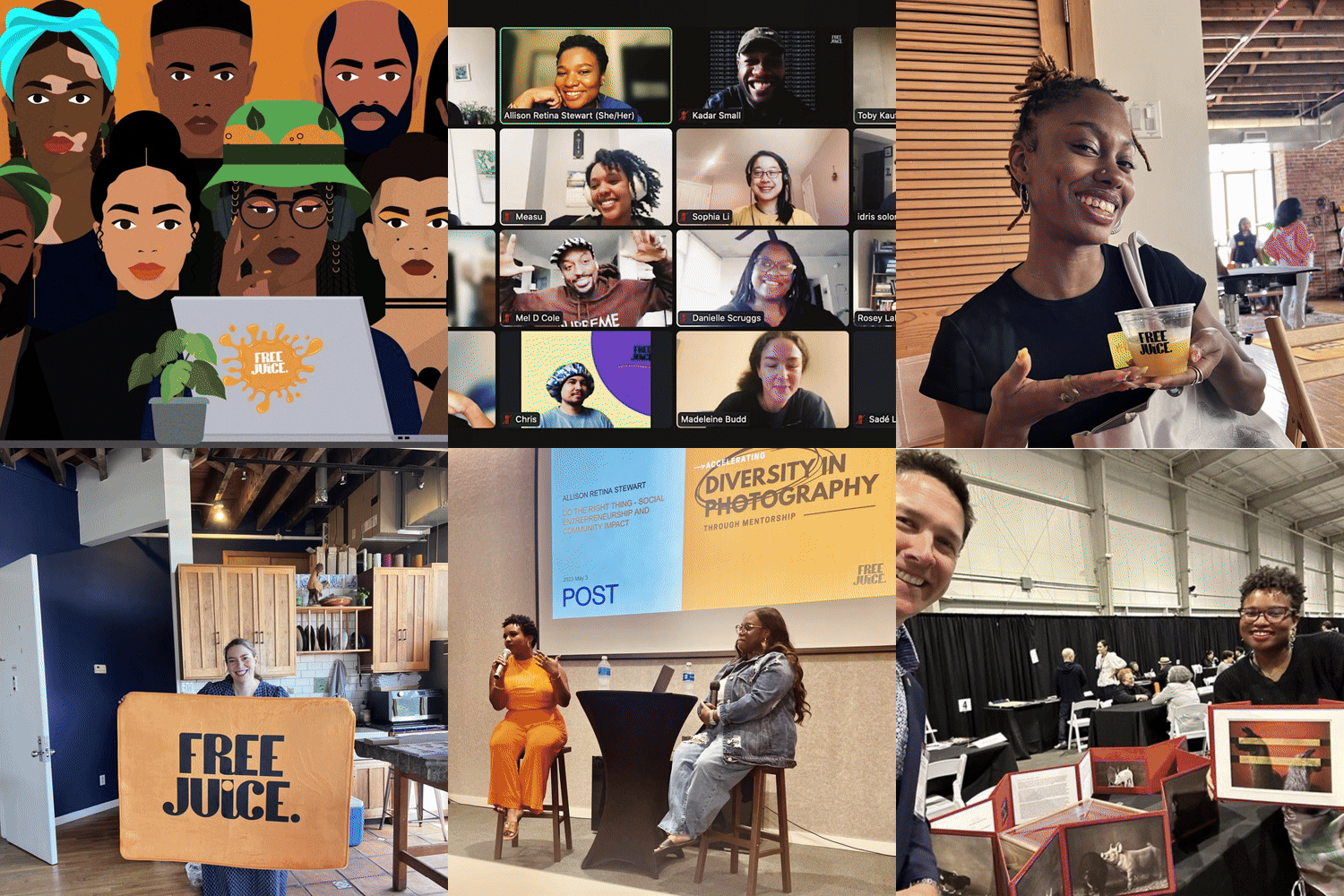
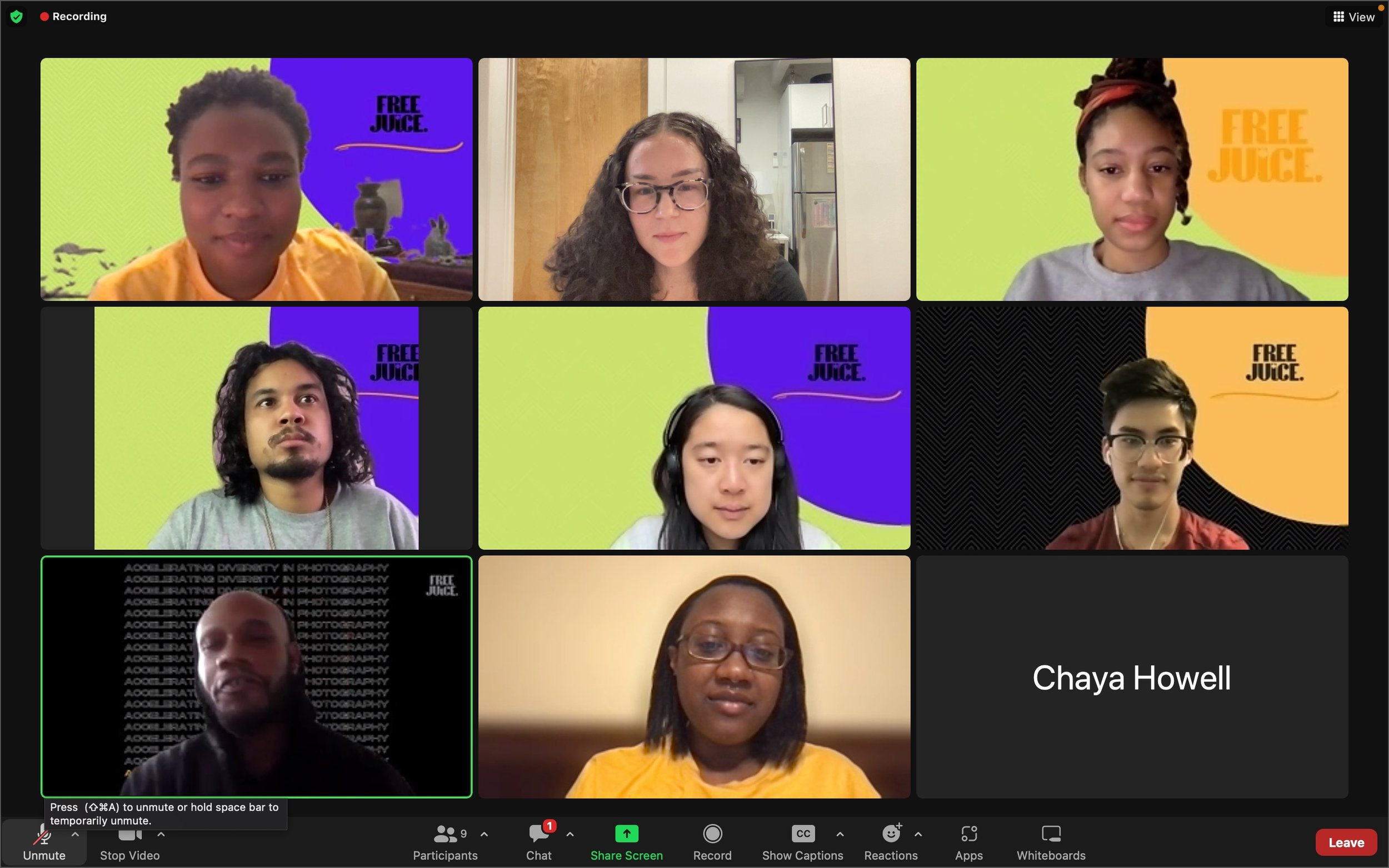
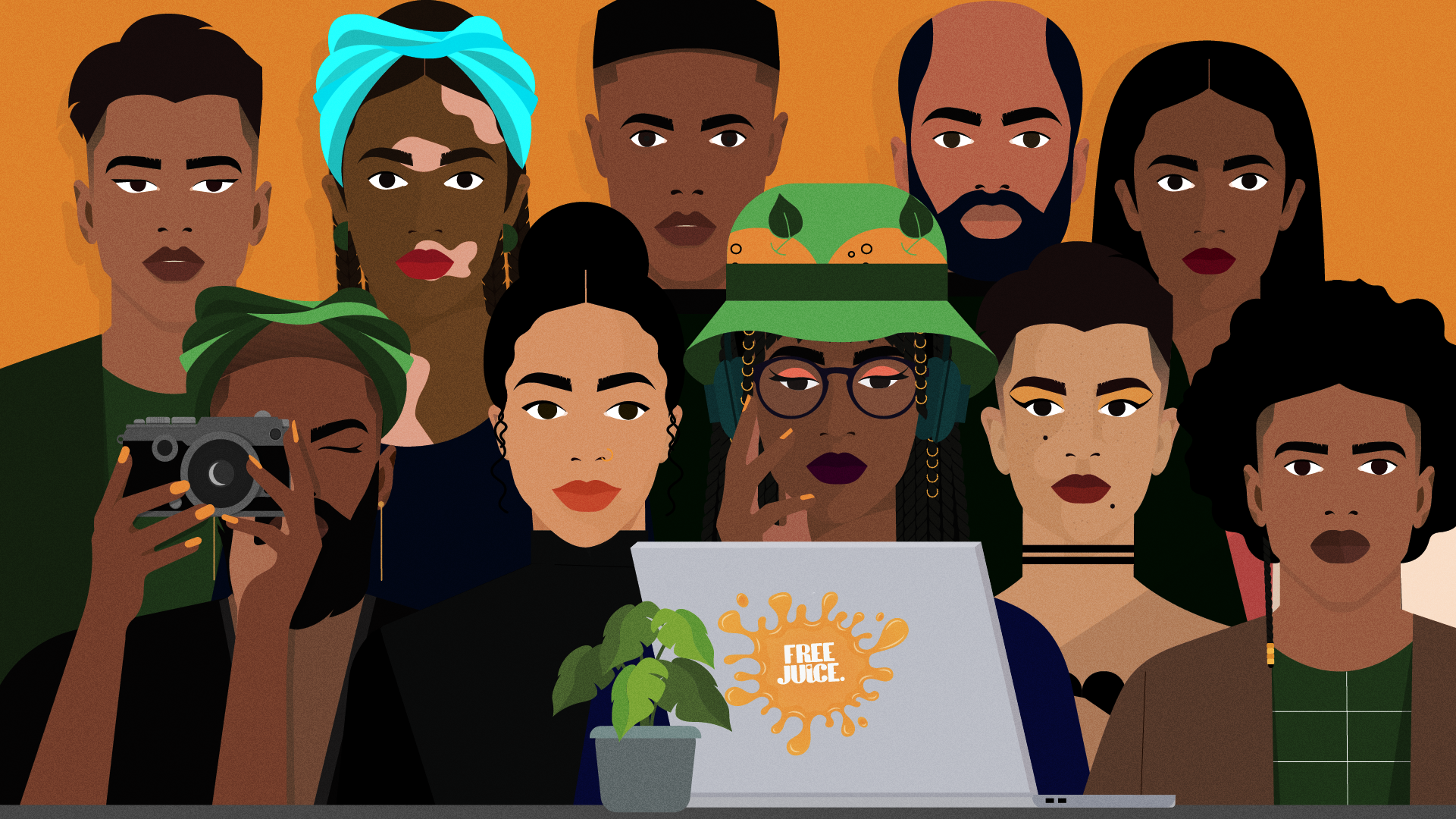
Free Juice University is an eight-week mentorship experience pairing emerging BIPOC photographers with established professionals across photography, art direction, editing, production and related creative roles.
The program supports both the work and the person behind it.
Mentees receive guidance around portfolio development, self-editing, positioning, networking, pricing, business practices, confidence and setting achievable career goals. They are also encouraged to learn from one another, building a peer network that can continue beyond the formal program.
I developed the program structure, recruited mentors and partners, shaped the curriculum, guided the cohort experience and built public-facing opportunities for the artists to share their work.

The result
Across mentorship cohorts, exhibitions and professional-development programming, Free Juice has supported more than 50 emerging artists.
The program has also built partnerships with photography brands, creative professionals, studios, arts organizations and cultural spaces that believe in a more inclusive future for the industry.
The most meaningful result, however, is not a single number.
The approach
Mentorship with structure
The program was designed to move beyond occasional advice.
Each mentee was paired with an experienced professional and given clear areas of focus. The structure created accountability while allowing the mentorship relationship to respond to each participant’s individual practice and goals.
Confidence through language and practice
Sometimes the barrier is not talent. It is not knowing how to describe your work, ask the right question or enter a professional room without shrinking.
The program gave mentees repeated opportunities to discuss their work, receive feedback, make decisions and develop the language necessary to advocate for themselves.
A public destination
The program did not end with a final call.
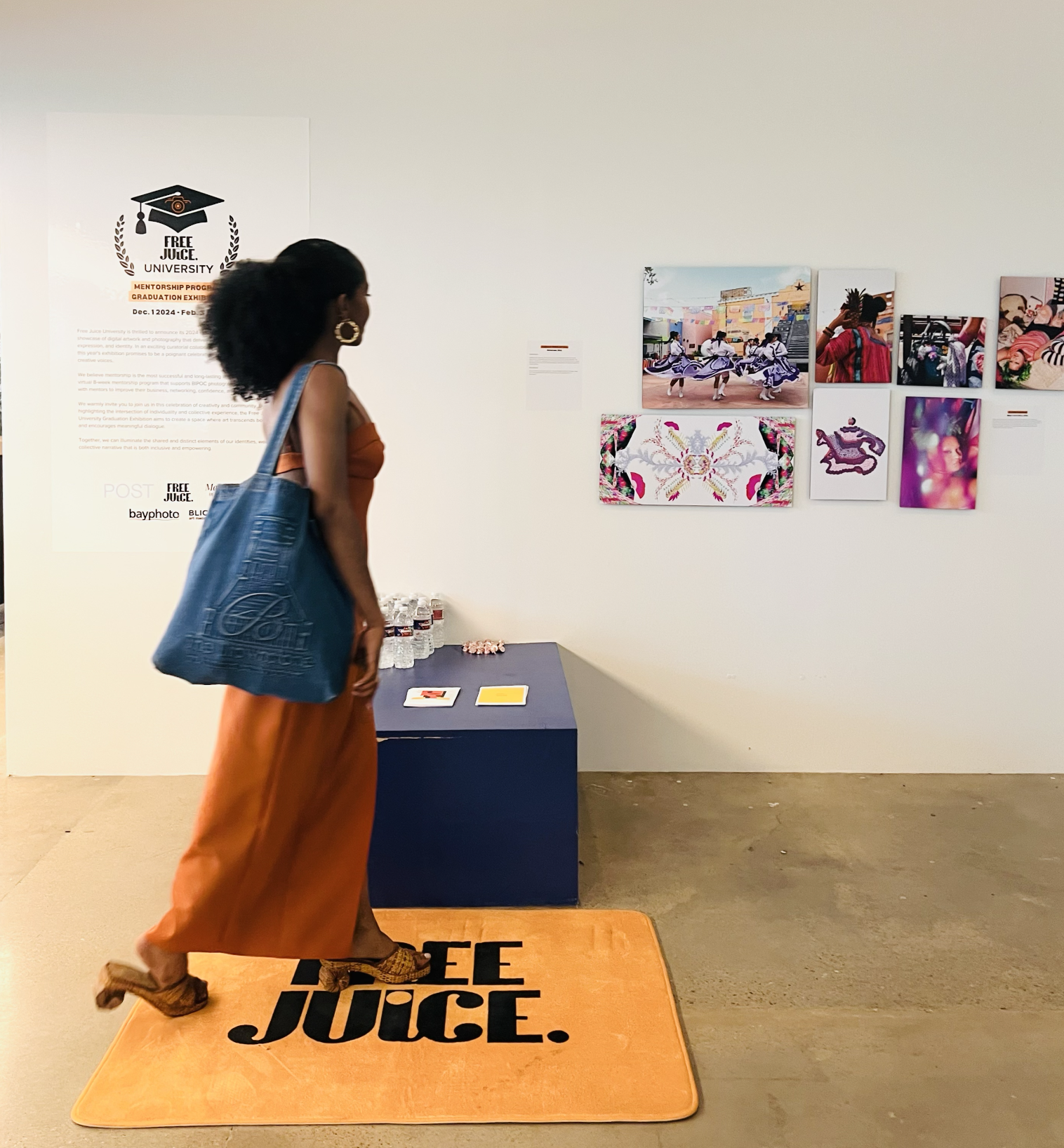
The cohort experience led into exhibitions and public presentations, giving participating artists the opportunity to see their work installed, speak about their practices and connect with audiences outside the mentorship environment.
The 2023 & 2024 graduation exhibitions at POST Houston brought together photography and digital work exploring culture, expression and identity.